Video Production Course | Lisbon
101 - Video Production
Pre Production
Camera Operation
Lenses
201 - Editing
Understanding Functions
Optimizing Workflow
Export
30 Hours | In-Person: €1199 + 19% VAT | Online Remote Attendance: €803 + 19% VAT
The short form that follows will help us match your schedule preferences to a class. Fill it out, and someone on our admissions team will get right back to you.
To be in the loop when we release more dates, sign up to our newsletter towards the top right of this page. We don't send many, you can easily unsubscribe, and we never share our data with anyone, ever.
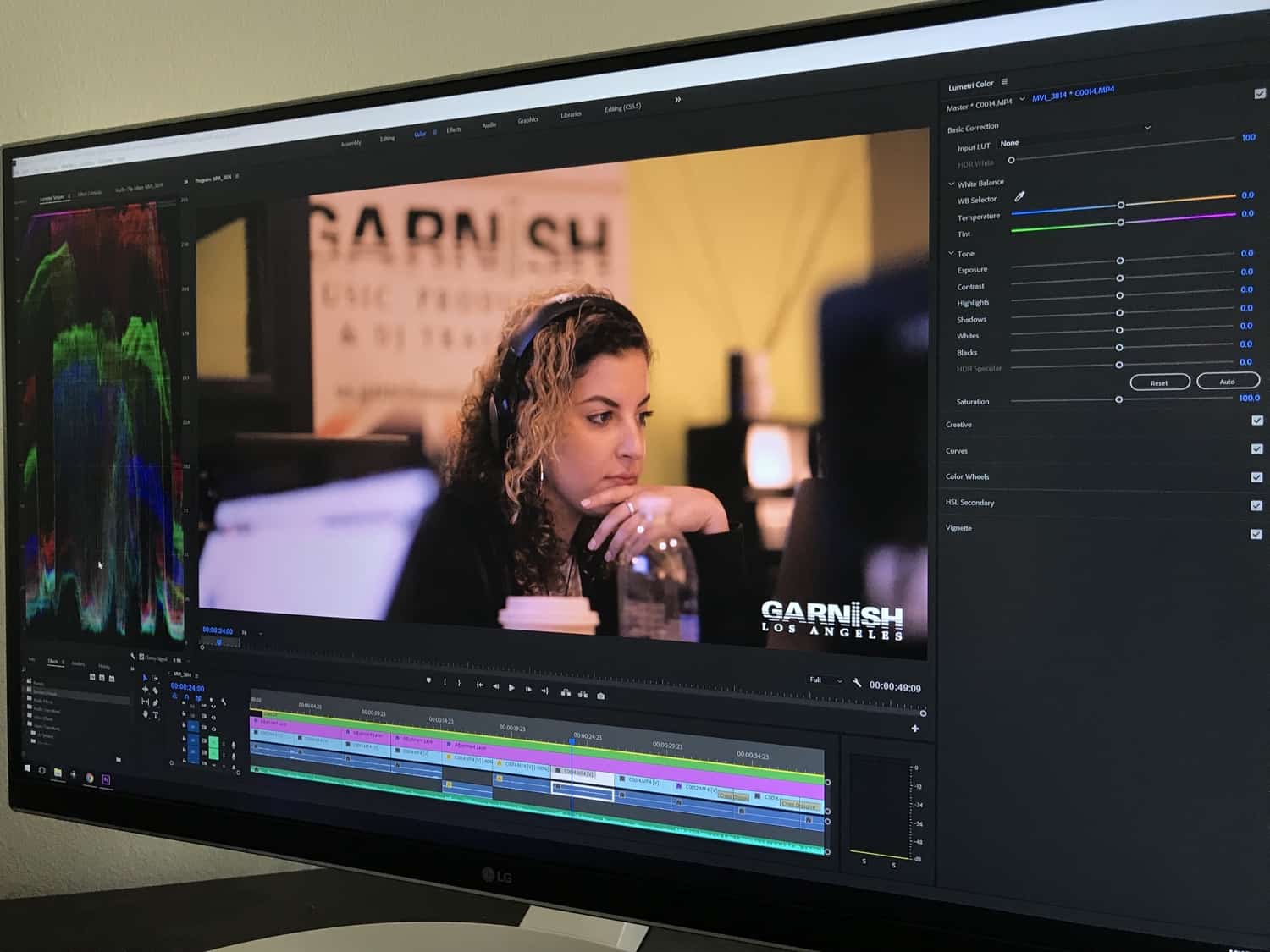
Matt Stanley shot and edited this music video on equipment worth under $1000, with some scenes featuring our studio on Melrose. Check it out ↓
Testimonials
From the Blog
Daily News, Worldwide
Lisbon's course runs in small groups at our studio, taught by working producers, with live-online attendance for students elsewhere in Portugal, using our specialist music collaboration software, Muse. The city's fast-growing electronic scene makes it a good place to learn this. Discover qualities that distinguish us, here.
What our students say.
“It was really useful to fully understand the principles after all this time. I highly recommend Garnish”
Mark Jenkyns
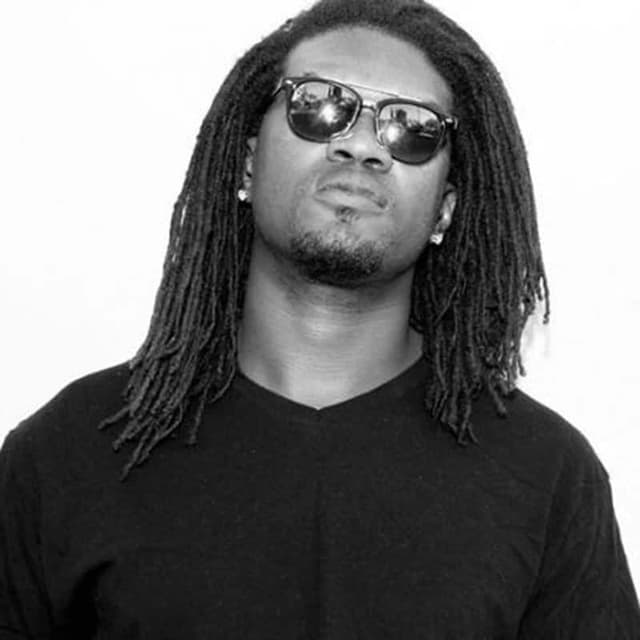
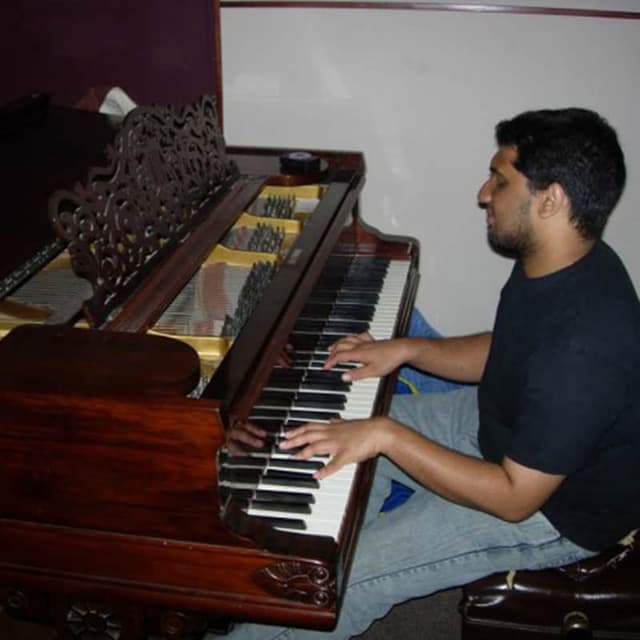
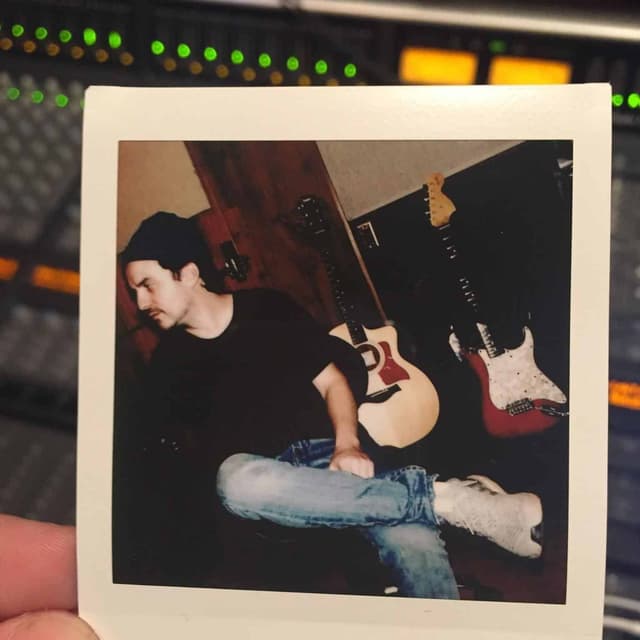
Instructors

Questions we hear a lot.
The Video Production Course runs 30 hours. Tuition at Garnish Lisbon: 30 Hours - In-Person: €1199 + 19% VAT - Online Remote Attendance: €803 + 19% VAT.
Yes. The Video Production Course runs in person at Garnish Lisbon and live online in the same sessions, using our music collaboration software, Muse - you join whichever suits you.
Yes. The Video Production Course can be taught one-to-one, in person in Lisbon or online, built around your own projects - ask admissions about private instruction.
Artists who need their own video, and anyone behind a camera for the first time who wants footage that is right in camera rather than fixed in the edit.
Planning first - location scouting, scripting and storyboarding - then the camera: sensor size, the exposure triangle, shutter speed and frame rates, codecs and bit rates, aperture, focal length, primes against zooms, and filters.
Bring what you have; the principles are the same on any camera, and the course is about getting the shot right rather than owning a particular body.
30 Hours | In-Person: €1199 + 19% VAT | Online Remote Attendance: €803 + 19% VAT
Ready to get started?
InquireWhat makes Garnish different?
Acoustics: The Basics
Why room shape changes what you hear, what standing waves do to your low end, and what RT60 means for a small studio.
Read →Signal Flow and Routing
Gain structure, why faders belong near unity, and how side-chain routing works - the plumbing that everything else in a mix sits on.
Read →Vocals
Dynamic control is an essential part of recording vocals. The best dynamic control is achieved from someone who knows good mic technique, getting closer…
Read →Dynamics
How compression works - attack, release, knee and look-ahead - plus noise gates and limiting, and what each is actually for.
Read →Dynamics
The human ear uses compression for pretty much the same reasons that we do in music, that being to control the level of an audio signal. As you may…
Read →How to Compress Drums
The sound of modern drums in rock, pop, and electronic music very rarely embodies the natural range that acoustic drums are capable of. This is most often due to the application of compression, adding punchiness, energy and consistency to a drum track.
Read →