Mixing & Mastering Course | Lisbon
EQ, Environment, Acoustics, and Separation
- →Studio monitor speaker design
- →Acoustics and acoustically treating your home studio
- →All about mono, stereo and 5.1 in your software DAW
- →The art of balancing and panning
- →EQ workshop
Dynamics
- →Hearing dynamics
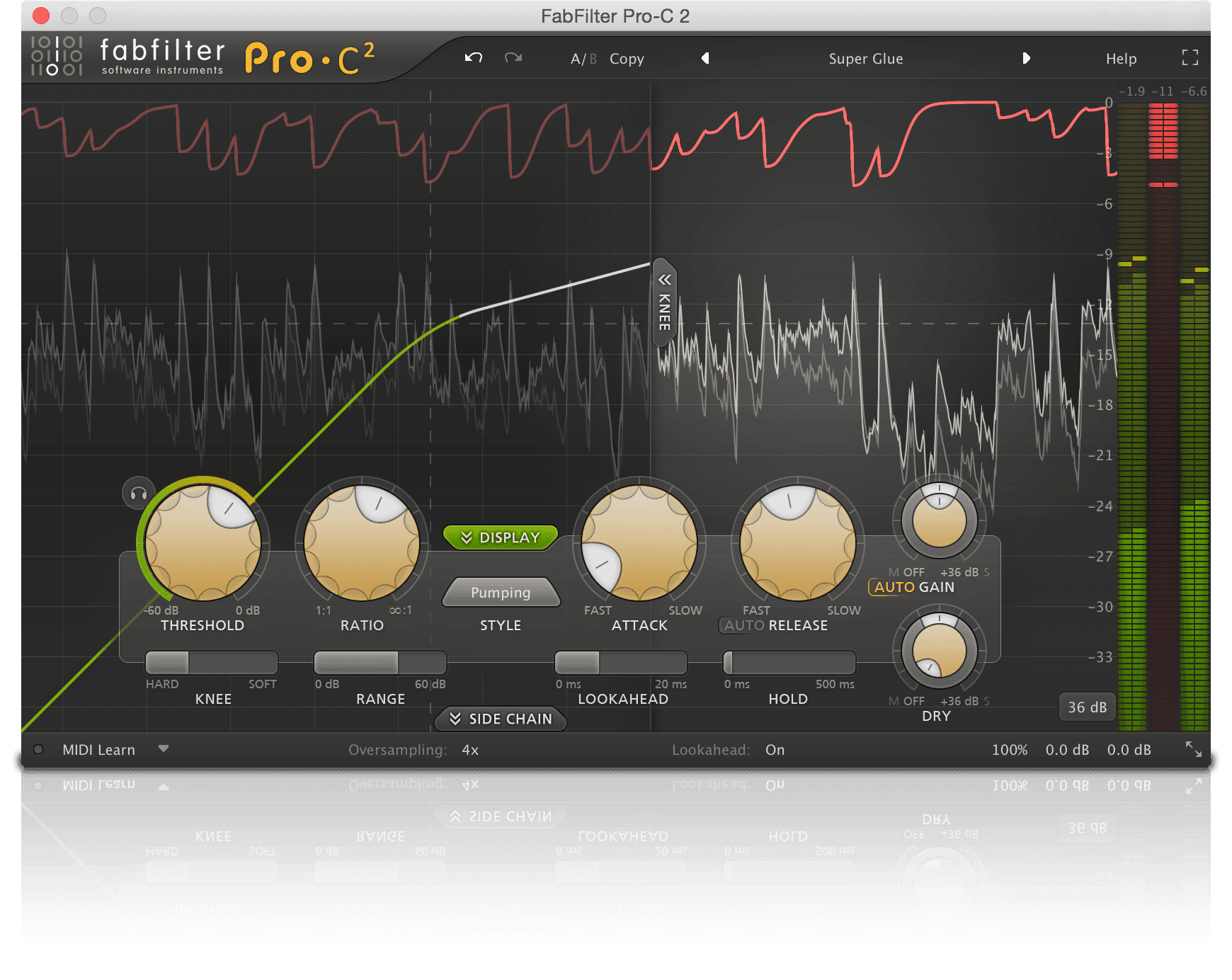
- →In-depth with all the parameters of dynamic controllers
- →Types of compression circuitry, their digital emulations, what to use & why
- →Parallel dynamic processing
- →Gates and de-essing tips
- →Dynamics controller tips to achieve clarity in your mix
Reverbs, Delays and Other FX
- →Types of reverb and delay, where to use them
- →In-depth with all the parameters
- →Spatialization with convolution reverbs and delays
- →Phaser, flanger, chorus, pitch shifters, harmonizers and creative FX
- →Tips on how to make your records come to life with FX
- →Filtering and samples
- →Vocoder, Ring Modulators, Envelopers, Auto panning, distortion and bit crushing
- →Preparing vocals, vocal comping and tuning vocals
- →Getting separation between lead and BVs
- →Tips on automating levels (rides)
Mixing Electronic Music
- →Side-chaining dynamic controllers and filters for ducking, FX and punch
- →Getting creative with reverb and delay
- →Making thin sounds bigger
- →Mixing techniques which only apply to electronic music but are very useful to know for everyone
- →Electronic music listening critique (bring in your tracks if you wish)
- →Electronic music mix analytics – analyze the mix elements of your favorite tunes
Introduction to Mastering
- →Using references to get your EQ and separation. A/B'ing
- →EQ, brick wall limiting, levels and phase
- →Using mastering plugins - dos and don'ts
- →The best metering tools
- →Live music listening critique (bring in your tracks if you wish)
- →Live music mix analytics – analyze the mix elements of your favorites live and acoustic tracks
What our students say.
“I've been producing music for 15-20 years and even have a recording arts degree. The instructors were absolutely amazing and helped me grasp mixing and mastering in a very relatable down to earth way. I feel like my production has finally taken the step up it needed. Loved the class and would love to take more courses at Garnish. Great learning”
Jeremy Wells
Instructors


Questions we hear a lot.
The Mixing & Mastering Course runs 36 hours. Tuition at Garnish Lisbon: 36 Hours - In-Person: €1299 + €100 Registration fee - Online Remote Attendance: €803.
Yes. The Mixing & Mastering Course runs in person at Garnish Lisbon and live online in the same sessions, using our music collaboration software, Muse - you join whichever suits you.
Yes. The Mixing & Mastering Course can be taught one-to-one, in person in Lisbon or online, built around your own projects - ask admissions about private instruction.
Yes - the mastering module here is an introduction; a dedicated Mastering class takes it the rest of the way.
Intermediate. You should know your way around your DAW; the course takes you from that to mixes that translate and a master that finishes them.
Environment, acoustics and EQ, dynamics, reverbs, delays and other FX, mixing vocals, creative mixing, analysis and the final mix, and an introduction to mastering.
36 Hours | In-Person: €1299 + €100 Registration fee | Online Remote Attendance: €803
Ready to get started?
InquireWhat makes Garnish different?
Programming Rhythm Guitar
Why single-note samples rarely make a convincing rhythm part, strumming engines and phrase libraries, voicings, pickups and textures, and guitar parts for pop, rock and dance music.
Read →Mastering
A full guide to mastering - what it is, how multi-band compressors work on the master buss, choosing crossover points and prepping tracks.
Read →Reverb
When we experience a sound we are not only hearing it from the direct source, but also from the environment in which it is situated (reflections from…
Read →Basic panning techniques
The term stereo, short for stereophonic, involves the reproduction of sound using two separate audio channels that are then presented to a pair of…
Read →Editing and Comping Vocals
Recording multiple takes, building a comp from the best phrases, where to edit, crossfades, breaths and noise, timing alignment, and matching tone between takes.
Read →Range, Vocal Vocabulary and Harmonies
Voice types and registers, finding a singer's range, the vocabulary of vocal technique - vibrato, runs, belting, falsetto, fry - and building harmonies in thirds, sixths and beyond.
Read →